Recurring Chargeback Mistakes You Can’t Afford in 2025
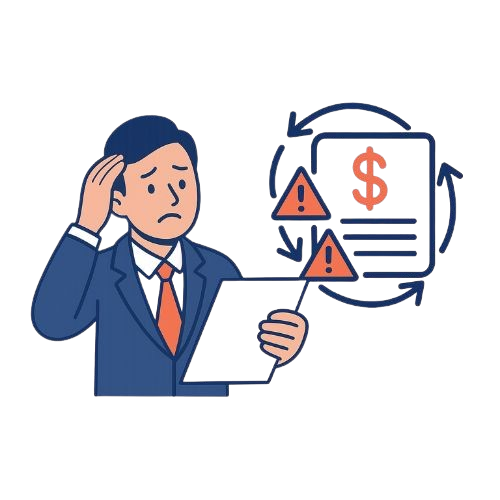
Chargebacks have become more than just a cost of doing business—they're now a serious threat to merchant accounts, especially in high-risk sectors. Whether it’s card-not-present transactions, recurring billing issues, or weak dispute responses, many merchants are stuck repeating the same mistakes that keep their ratios dangerously high.
Let’s break down the most common missteps and how they’re quietly draining revenue month after month.
1. Weak Recordkeeping for Dispute Management
Too many merchants fail to keep proper documentation to fight disputes. Missing transaction IDs, vague product descriptions, or unclear refund policies leave your response weak and ineffective.
Card networks expect accurate, timestamped data and clearly communicated terms. Without these, you lose chargebacks by default—handing over revenue without a fight.
An ultimate guide to chargeback frauds
2. Poor Communication With Buyers
A major chunk of chargebacks come from simple misunderstandings—customers don’t recognize a charge or can’t contact support. If your billing descriptor is unclear, or if your support system is slow or unresponsive, people will go straight to their bank.
Many adult content platforms and high-ticket services are seeing rejections simply due to unclear post-transaction communication.
How adult sites are managing rising payment rejections
3. Ignoring Friendly Fraud Patterns
Chargebacks aren't always a result of actual fraud. In many cases, customers intentionally file disputes even after receiving the product or service. Merchants that don't monitor repeat offenders or flag high-risk purchase patterns allow this problem to keep repeating.
Combating friendly fraud requires more than just chargeback alerts—it demands a proactive look at who’s abusing the system and adjusting risk settings accordingly.
4. Failing to Update Subscription and Recurring Billing Logic
Recurring payments are particularly vulnerable. If you’re billing users after trial periods without reminders or without offering an easy cancellation path, expect disputes. Even satisfied customers might file a chargeback if they feel tricked by your billing model.
This is especially true in industries like nutraceuticals and digital services, where subscription billing is standard but often poorly managed.
5. Believing Chargebacks Are Just Part of the Game
This is one of the biggest misconceptions. Many high-risk merchants fall into the trap of thinking a 1% chargeback ratio is acceptable or unavoidable. But even a small increase can get your account flagged, frozen, or terminated entirely.
It’s important to separate myths from reality when it comes to account health.
How to Break the Pattern
Stopping chargebacks isn’t about one fix—it’s a system of small, consistent improvements. Here’s where to start:
- Use clear billing descriptors that match your business name.
- Send pre-billing reminders for recurring payments.
- Provide 24/7 support or at least quick ticket responses.
- Document every transaction with proper metadata.
- Monitor repeat dispute customers and block future orders.
Conclusion
Recurring chargeback mistakes aren’t just costing you revenue—they’re putting your entire payment setup at risk. These errors may seem small, but they add up quickly, especially in high-risk sectors. With the right tools and habits, you can stop feeding the problem and start defending your revenue more effectively.
If your business is struggling with chargeback volume or frequent disputes, it might be time to rethink your payment partner. Make sure you're working with a provider who understands your industry and can support risk management from day one.