High-Risk Merchant Accounts and AI-Based Identity Verification
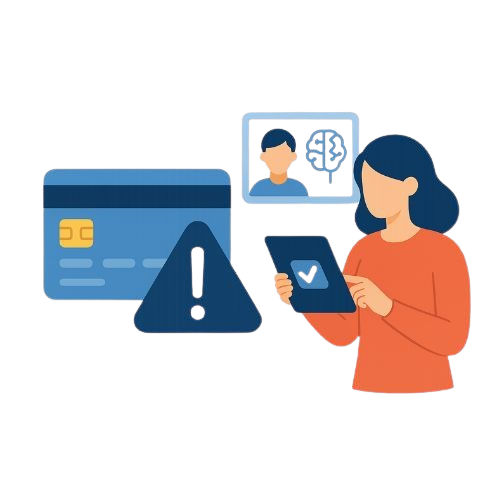
Why High-Risk Merchant Accounts Face Greater Challenges
Merchants operating in high-risk industries face more payment hurdles compared to standard sectors. Frequent chargebacks, higher fraud exposure, and stricter compliance checks make it difficult to manage daily transactions. Traditional verification tools are often not enough to detect new fraud tactics, leaving merchants vulnerable. That is why specialized high-risk merchant accounts exist to give merchants the right framework to accept payments while maintaining compliance.
The Rise of AI in Fraud Prevention
Artificial Intelligence is no longer just a supporting tool—it has become central to payment security. By analyzing transaction patterns in real time, AI can flag unusual activity faster than manual checks. For merchants handling sensitive sectors, AI reduces the risk of false approvals and provides a sharper line of defense against account takeovers and synthetic identities.
A detailed overview of how AI contributes to safer web payments can be found in this guide on 5 ways AI helps merchants secure smarter web payments. This shows how machine learning models adapt continuously, learning from past data to spot suspicious activity before it causes financial loss.
Identity Verification as a Core Component
Fraudsters often hide behind stolen or fabricated identities to exploit high-risk sectors. This is where digital identity verification steps in. Instead of relying only on passwords or static documents, advanced systems now use biometric checks, behavioral analytics, and document scanning to validate a customer’s identity.
For merchants dealing with international clients, these tools add an extra level of confidence. Identity verification not only reduces chargeback risk but also strengthens long-term trust with payment processors and financial partners.
How AI and Identity Verification Work Together
When combined, AI and identity verification create a powerful shield for merchants. AI models assess the probability of fraud during a transaction, while identity verification tools confirm whether the buyer is genuine. This dual layer of protection is especially important for high-risk merchant accounts in the UK where regulators expect stricter compliance standards.
For example, if a transaction originates from a region with a high rate of fraud, AI can instantly flag it for review. At the same time, identity verification can demand biometric confirmation or additional document checks. Together, these measures reduce unnecessary declines while keeping fraudulent users out.
Building Merchant Confidence Through Technology
High-risk merchants often struggle with higher processing fees and account holds. By adopting AI and advanced verification, merchants can demonstrate stronger risk management practices. This not only reduces fraud but also makes it easier to negotiate better terms with payment providers.
Companies like WebPays are helping merchants adapt by combining high-risk account expertise with innovative technology. With global coverage and industry-focused solutions, WebPays supports merchants in staying ahead of fraudsters while keeping payment approval rates high.
Future of High-Risk Merchant Accounts with AI Integration
The payment industry is moving quickly, and fraud tactics are evolving at the same pace. High-risk sectors cannot afford to depend on outdated methods. AI-based identity verification will soon become a standard requirement, not just an additional feature. Merchants that adopt these tools early will be better positioned to build long-term stability.
Whether it is handling cross-border payments, reducing chargebacks, or securing sensitive industries, the future points toward intelligent systems that protect both merchants and their customers.
Final Thoughts
High-risk merchant accounts demand more attention than traditional ones, and the pressure to maintain security is only increasing. AI-driven fraud detection and advanced identity verification bring the right balance between security and transaction approval. With the right combination of tools and expert partners, merchants can operate with greater confidence while minimizing risks.