High-Risk Merchants Adopting Crypto Payments in 2025
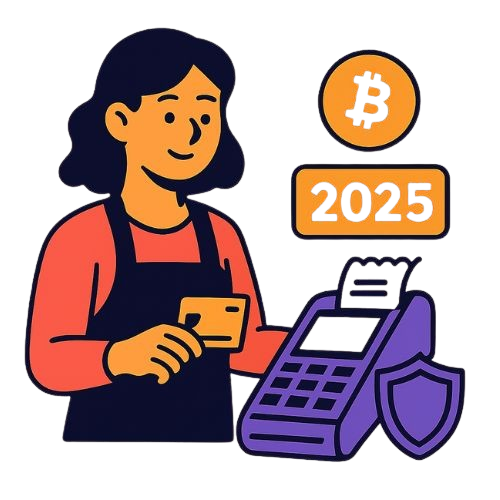
The shift toward cryptocurrency adoption is no longer limited to tech enthusiasts. In 2025, high-risk merchants are increasingly turning to crypto as a practical way to manage transactions, reduce payment delays, and access global markets. For industries often struggling with banking restrictions, crypto payments offer an alternative that bypasses many traditional roadblocks.
Why Crypto Appeals to High-Risk Merchants
High-risk merchants face a unique set of challenges—frequent chargebacks, limited access to payment processors, and higher processing fees. Cryptocurrencies can help address these pain points by offering faster settlements and lower transaction costs. The absence of intermediaries allows merchants to receive funds directly, reducing dependency on traditional banking channels.
Sectors like online gaming, forex trading, and nutraceutical sales are already integrating crypto gateways to avoid account freezes and excessive reserve requirements. As blockchain adoption grows, the appeal of crypto payments for high-risk industries becomes stronger. To understand the broader impact of digital currencies, see our full guide on the impact of cryptocurrency on high-risk payment processing.
Stablecoins Changing the Game in 2025
Volatility has always been a concern with cryptocurrencies like Bitcoin or Ethereum. This is where stablecoins step in, offering price stability by pegging their value to assets such as the US dollar. For high-risk merchants, stablecoins reduce the risk of value fluctuations while maintaining the benefits of blockchain transactions.
In 2025, more merchants are integrating stablecoin payment options to protect revenue without sacrificing transaction speed. These currencies are especially useful for cross-border transactions where traditional methods incur high conversion costs. Learn more about their growing role in our article on how stablecoins are changing merchant payments in 2025.
Faster Settlement and Global Reach
Traditional high-risk payment processing often involves settlement times ranging from three to seven days. Crypto transactions, on the other hand, can settle within minutes or hours, depending on the network. This faster access to funds improves liquidity, which is critical for merchants operating on thin margins.
Additionally, crypto enables merchants to accept payments from customers in countries where card transactions are restricted. This expanded reach opens new opportunities for revenue without the limitations of regional banking systems. The move toward next-gen high-risk payment processing is already making these benefits more accessible.
Overcoming the Challenges of Crypto Payments
While crypto offers several advantages, high-risk merchants still need to address potential obstacles. Regulatory uncertainty remains a significant issue, as governments worldwide develop new frameworks for digital assets. Merchants must also consider the technical side—integrating a reliable crypto payment gateway, setting up secure storage solutions, and managing tax reporting requirements.
Some businesses choose hybrid payment systems that combine crypto with traditional processing, giving customers more flexibility while maintaining compliance. Providers specializing in new payment solutions are helping merchants navigate these complexities effectively.
The Future of High-Risk Payments with Crypto
The adoption of cryptocurrency in high-risk sectors is likely to accelerate through 2025 and beyond. With growing consumer acceptance, improved technology, and more stable asset-backed options, the barriers to entry are falling. For merchants operating in industries with strict banking oversight, crypto payments can offer a lifeline to maintain operations and expand globally.
High-risk merchants who invest in understanding crypto integration now will be better positioned to thrive in the changing payment ecosystem. By combining blockchain technology with industry-specific compliance strategies, businesses can take advantage of faster settlements, lower costs, and global reach without relying solely on traditional banking channels.