How AI Builds Trust in Risky Payment Environments
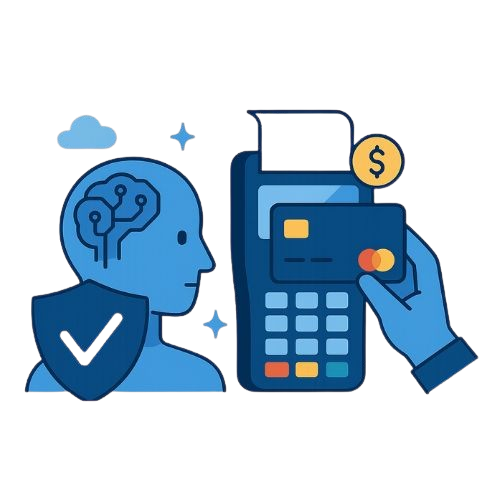
When it comes to high-risk industries, payment processing is rarely straightforward. From volatile chargeback ratios to higher chances of fraud, businesses in these sectors often face skepticism from banks and acquirers. Gaining trust—whether from financial partners or customers—isn’t just difficult, it’s a constant challenge. Artificial intelligence (AI), when applied right, can shift that perception and give payment systems the credibility they need to stay afloat and grow.
Understanding Trust Gaps in High-Risk Payment Processing
High-risk merchants, such as those in nutraceuticals, adult content, online gaming, and travel, are more prone to disputes and fraud. This makes acquiring banks extra cautious. Customers, too, often hesitate to enter their payment details if the checkout process feels unreliable or the merchant’s background raises questions.
These trust gaps typically emerge from one or more of the following:
- High decline rates due to poor routing or suspicious transactions
- Repetitive fraud incidents with no clear response mechanisms
- Delays in dispute handling or suspicious billing behavior
Fixing these trust issues goes beyond patching a few vulnerabilities. It calls for consistent transparency, fast decision-making, and data-backed credibility—something AI can support without human bias or fatigue.
AI’s Role in Monitoring Transaction Behavior
One of the core ways AI contributes to trust is by analyzing every transaction in real-time. This includes examining:
- Geo-location consistency
- Device fingerprinting
- Past user behavior patterns
- Unusual purchase attempts
By identifying and flagging unusual activity before it causes harm, AI reduces the chances of fraudulent charges slipping through. These systems also learn and adapt over time, getting better at recognizing both genuine and suspicious behaviors. You can explore how this works in detail in this article on AI-driven fraud detection.
This proactive approach sends a signal to acquiring banks and customers alike: this merchant is using the right tools to keep transactions clean and safe.
Predictive Risk Management with Generative AI
Traditional fraud tools rely on fixed rule sets. AI goes further by predicting potential risk based on patterns that would be impossible for a manual team to spot. For instance, if a buyer’s behavior matches that of previous chargeback-prone transactions, the system can immediately hold or block the payment.
Some merchants are also using generative AI in payment risk management to simulate fraud scenarios and test system responses before real threats occur. These simulations help fine-tune the system and prevent errors from becoming recurring issues.
The result is a more reliable and intelligent screening layer that doesn’t frustrate genuine buyers but still protects merchants from abuse.
Improving Chargeback Handling and Dispute Clarity
Many high-risk merchants struggle not just with preventing fraud but also with managing disputes once they arise. AI tools can help collect evidence automatically, track user activity, and categorize disputes faster—helping merchants respond within required timelines and with more precision.
The faster and more accurately disputes are handled, the more trust acquirers place in that merchant’s ability to manage payment flows. This is especially helpful for subscription-based models or recurring billing setups that often trigger confusion among users.
Using RegTech to Comply Without Slowing Down
AI doesn’t operate in isolation. When paired with regulatory technology, or RegTech, merchants can meet compliance expectations more efficiently. This is especially valuable in sectors that must adhere to strict KYC and AML norms. Automated ID verification, real-time transaction screening, and reporting help maintain clean records and avoid regulatory scrutiny.
This combination is explored further in our guide on RegTech for high-risk fraud prevention, which explains how using the right tech stack can both support compliance and reduce operational burden.
Final Thoughts
AI isn’t a magic switch that erases risk overnight. But it does give merchants a practical path toward more credible and reliable payment systems—something banks, processors, and customers can see and respond to. By putting the right tools in place, especially those focused on fraud detection, predictive analytics, and regulatory support, high-risk merchants can gradually reshape how they're perceived in the payment ecosystem.
And that shift—bit by bit—is how real trust is built.