How to Optimize Checkout Flow for Higher Conversions
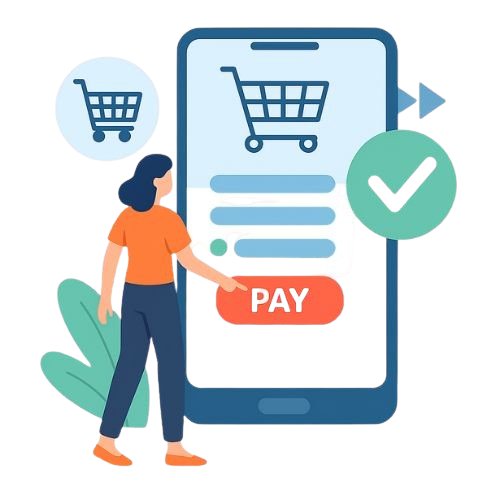
A customer reaches your checkout page. They’ve browsed, made a decision, and are ready to pay. Yet many still abandon the process. The issue often isn’t with your product—it’s with how your checkout flow is structured. Getting this right can have a direct impact on your conversion rate and overall revenue.
Reduce the Number of Steps
The longer it takes to complete a purchase, the higher the chances of drop-off. Keep your checkout process as short as possible. Aim for a single-page checkout or a progress bar that clearly shows how many steps remain. If you're dealing with multiple pages, only ask for information that’s essential. A cluttered process creates friction and hesitation.
You can also explore implementing a one-click checkout system. It reduces input effort and helps returning users complete purchases in seconds. This small upgrade often leads to a noticeable drop in cart abandonment.
Allow Guest Checkout
Forcing users to create an account before paying is one of the most common conversion killers. First-time customers often don’t want to commit to your brand just yet—they just want to buy. Adding a guest checkout option solves this problem. You can always invite them to create an account after the purchase is complete.
Optimize for Mobile Devices
Many users shop directly from their phones. If your checkout page isn’t mobile-friendly, it’s already working against you. Make buttons thumb-friendly, remove unnecessary pop-ups, and ensure the form fields auto-adjust for screen size. A smooth mobile experience increases the chances of completion.
Accept Multiple Payment Options
Every customer has a preferred way to pay. Some use cards, others go for digital wallets or UPI, and some may even prefer cryptocurrency. The more options you offer, the more inclusive your platform becomes. It’s also important to support multi-currency payments if you're selling globally, as showing prices in a user’s local currency builds trust and reduces hesitation.
Additionally, your payment processor should support features that match your business needs. Whether you need recurring billing, fraud screening, or chargeback protection, choose one that fits your goals. If you're unsure what to look for, this guide on payment processing features can be a helpful starting point.
Remove Distractions and Surprises
Your checkout page is not the place for upsells, banners, or navigation bars that can lead customers elsewhere. Keep the layout focused. Transparency is equally important—show full costs upfront, including shipping and taxes. Unexpected charges at the end are a major reason users abandon their carts.
Offer a summary that clearly lists items, quantities, applied discounts, and the total amount. Include a shipping estimate and a projected delivery date if possible. The fewer questions users have, the faster they’ll commit.
Make It Trustworthy
Security plays a big role in the final decision to pay. Clearly display SSL badges, accepted card logos, and any third-party verification seals. Keep the tone and design consistent with your brand to avoid anything that might feel suspicious or out of place.
In addition, provide customers with a confirmation step before payment. A simple review page with an “Edit” option gives them control, which builds confidence.
Test and Adjust Regularly
What works for one store may not work for another. A/B testing different layouts, button colors, field placements, and messaging helps you fine-tune what converts best. Even something as small as changing the text on a button from “Buy Now” to “Complete Order” can impact your results.
Look at metrics like drop-off rates at each stage, load time, and heat maps to understand where users struggle or bounce. These insights will guide your next adjustments.
Final Thoughts
Improving checkout flow isn’t about fancy tools or buzzwords. It’s about making the path to payment as direct and comfortable as possible. Keep things simple, give users control, and make them feel secure.
If you're ready to accept payment online and want a better structure for your checkout flow, now’s the time to take a closer look at your current process and see where changes can be made.