The Future of High-Risk Payment Processing: Trends Shaping in 2026
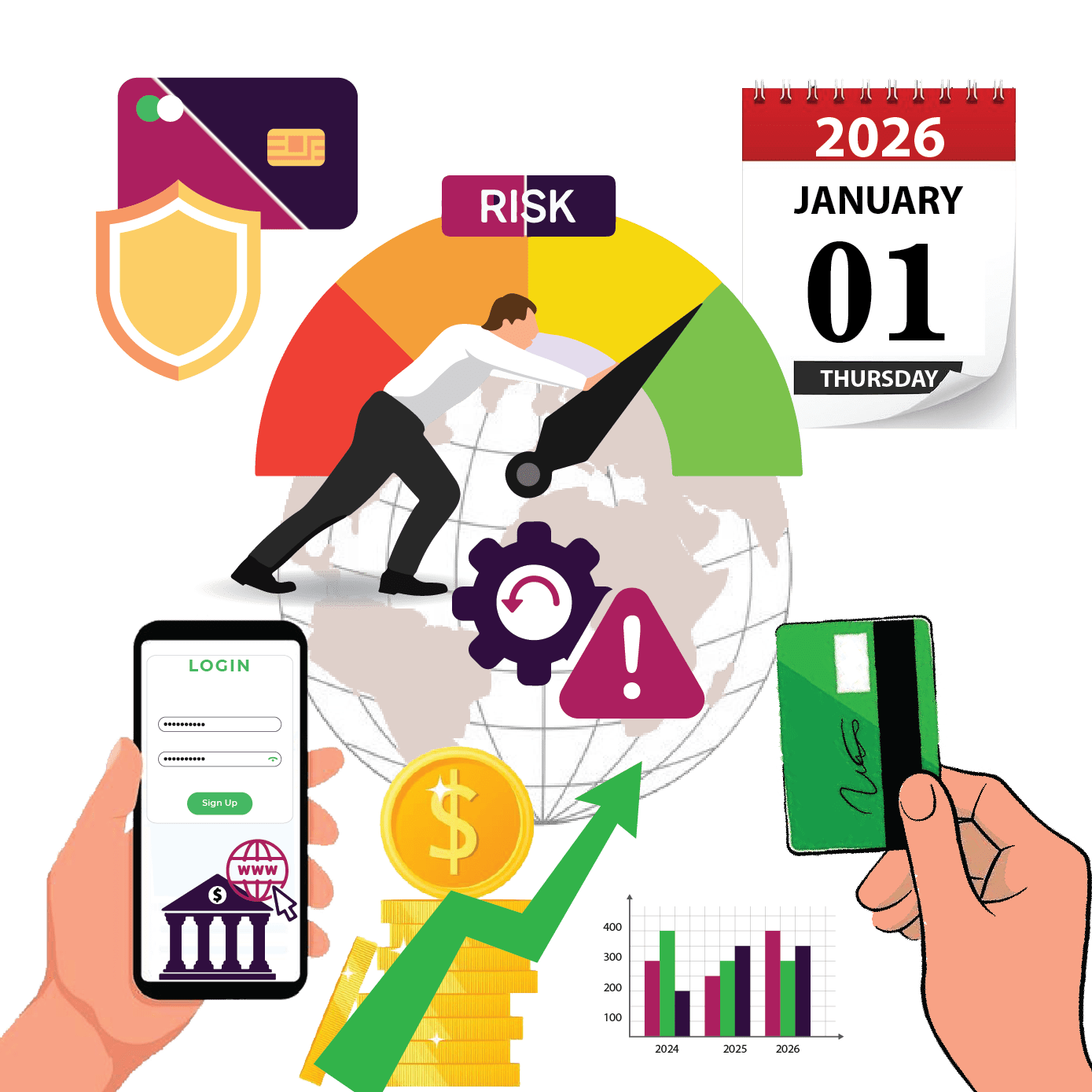
High risk payment processing has changed from a specialized market to a crucial pillar for companies in complicated or regulated sectors in the rapidly evolving digital economy. As 2026 progresses, new technology, altered regulations, and shifting customer expectations are reshaping the market. Anticipating these trends and providing merchants with solutions that strike a balance between speed, risk reduction, and compliance are key components of keeping ahead for providers like WebPays.
1. AI-Powered Fraud Prevention and Risk Identification
Modern payment systems already rely heavily on artificial intelligence (AI) and machine learning (ML), but in 2026, these technologies will play an even more crucial role in high-risk processing. Advanced predictive models that examine trends in real time and spot minor fraud indicators that people or outdated systems would overlook are replacing traditional rule-based filters.
Principal Advantages:
- Decreased bogus declines and chargebacks
- Adaptive learning in real time when fraud trends change
- Reduced manual reviews and improved user experience
This implies quicker payment flows without sacrificing security for high risk merchants, such those in online gambling, adult entertainment, CBD, or travel.
2. Smart Automation for Regulatory Compliance
Compliance is becoming integrated into the payment infrastructure itself rather than just a back-end checklist due to nations strengthening banking rules. Smart automation will be essential to managing cross-border compliance in 2026:
- Know Your Customer (KYC) systems that are dynamic and adapt verification procedures according to industry and region
- Automated AML (Anti-Money Laundering) monitoring that notifies authorities of questionable conduct
- Real-time tax and reporting compliance based on risks unique to merchants
RegTech integration improves accuracy, minimizes human labor, and lowers operational overhead.
3. Tokenization and Growth of Cryptocurrencies
Cryptocurrencies and digital wallets are evolving from alternative payment methods to commonplace elements of high-risk processing. Card processing now uses tokenization, which is the act of substituting secure tokens for sensitive data. Crypto railroads are growing in the meantime:
- Quicker settlements with less fees
- Smart contracts for programmable payments
- Greater acceptability in global marketplaces
For high-risk verticals where traditional banking access is costly or restricted, this trend is enabling international trade.
4. A greater emphasis on customer experience (CX)
Checkout friction may be a deal-breaker in high-risk industries. Innovative CX solutions that lower abandonment and guard against fraud are being funded by forward-thinking processors:
- Biometric or device profiling-based seamless authentication
- Enhanced security levels, one-click checkout, and stored preferences
- Open communication on transactions that are rejected
Processors make payments feel simple by balancing security and convenience, even in high-risk situations.
5. Unified Commerce and Cross-Platform Integration
Payment experiences must change as consumers switch across platforms and devices. In 2026, unified commerce—a smooth payment flow across online, mobile, in-app, and even social channels—defines high-risk payment processing.
This implies:
- Uniform tokenization and authorization requirements
- Centralized dashboards for channel-wide risk monitoring
- Coordinated reconciliation and settlement
This results in higher conversion rates and easier operations for retailers.
6. Ethical and Sustainable Payment Methods
For rapidly expanding brands, ESG (Environmental, Social, and Governance) issues are becoming mandatory. Ethical scoring systems that evaluate merchant operations and automatically modify risk levels are being used by high-risk processors. For the first time in the history of payment processing, sustainability measures are now included in the risk profile.
7. API-First Platforms and Embedded Finance
The distinction between core business systems and payments is becoming increasingly hazy due to the growth of embedded finance. Platforms that prioritize APIs enable businesses to:
- Personalize the payment logic
- Include automated reconciliation
- Workflows should be triggered based on settlement results.
This degree of integration provides previously unattainable agility and control for high-risk companies.
In conclusion
In 2026, greater integration, more intelligent automation, and an unwavering focus on security will characterize the future of high-risk payment processing. Those that embrace innovation—not just as a differentiator, but as a necessity—will be the victors for both processors and merchants.
For WebPays, building the infrastructure that enables aspirational brands to flourish limitlessly is more important than simply processing payments.