High-Risk Payment Issues in the Nutraceutical Sector Explained
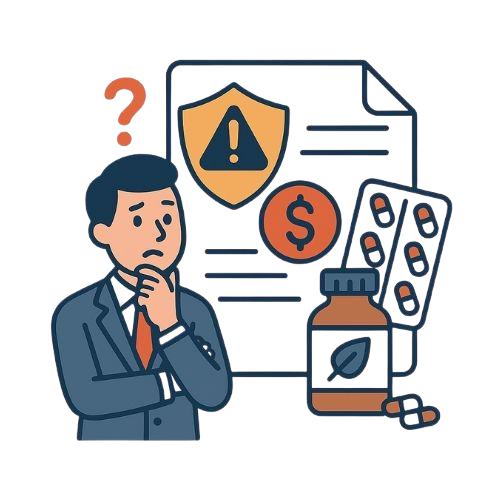
The nutraceutical industry has seen explosive growth over the past decade, with dietary supplements, herbal extracts, and wellness products becoming part of daily routines for millions. But behind the success lies a major obstacle that continues to frustrate business owners: securing reliable payment processing.
For many nutraceutical merchants, getting approved for a standard payment gateway or merchant account is far from easy. Processors often label these businesses as “high-risk,” resulting in rejections, withheld funds, or even sudden account closures. Let’s break down why this industry struggles with payments—and what merchants can do about it.
Why the Nutraceutical Sector Is Considered High-Risk
Several factors contribute to the “high-risk” label for nutraceutical sellers. Here’s what puts them in that category:
Chargeback Susceptibility
Many nutraceutical products are sold as part of subscription models or auto-ship programs. If customers forget they signed up or find it hard to cancel, they often dispute the charge. This increases chargeback ratios, which payment processors monitor closely.
Regulatory Uncertainty
While the market is thriving, the legal landscape isn’t always clear. The FDA doesn’t regulate supplements the way it does pharmaceuticals. This lack of strict oversight opens the door for misleading health claims, which in turn leads to more customer complaints and scrutiny from processors.
Product Claims and Marketing Tactics
Nutraceutical businesses often promote benefits like weight loss, improved immunity, or cognitive enhancement. If those claims aren’t backed by clinical trials, payment providers may classify them as non-compliant, which adds more risk to the account.
High Ticket Sizes or International Sales
Products with higher price points or global shipping options may increase fraud potential. Many banks prefer low-risk, domestic businesses, so international nutraceutical companies are often pushed to offshore processing solutions.
Payment Issues Merchants Commonly Face
Once labeled as high-risk, nutraceutical merchants start running into issues that slow down growth or even put their businesses at risk:
- Application rejections from mainstream processors
- Rolling reserves that tie up cash flow
- Sudden account freezes without prior notice
- Long approval times for new accounts
- Higher-than-average processing fees
Why a Specialized high-risk payment gateway Matters
One of the best ways to manage these challenges is by working with a provider that understands the intricacies of high-risk processing. A high-risk payment gateway gives merchants access to features like real-time fraud detection, advanced chargeback protection, and multi-currency support.
Unlike traditional processors, high-risk gateways are built to handle the transaction patterns and customer behavior typical of the nutraceutical space. They also offer greater flexibility when it comes to subscription billing, recurring charges, and international orders.
The Role of a high-risk merchant account
A high-risk merchant account is designed for industries that face greater scrutiny from banks and regulators. These accounts come with higher processing limits, more forgiving chargeback thresholds, and underwriting that actually understands your business model.
Rather than focusing solely on risk, a good high-risk provider will evaluate your product quality, business history, and marketing compliance. This opens the door to longer-term payment stability.
For merchants who need even more tailored support, looking into a high-risk merchant account solution can help address specific business needs like offshore accounts, dynamic descriptor options, and chargeback mitigation tools.
How Merchants Can Protect Themselves
There’s no guaranteed way to avoid every payment issue, but nutraceutical merchants can reduce risk by taking a proactive approach:
- Keep chargebacks below the 1% threshold by offering clear refund and cancellation policies.
- Avoid exaggerated or unverifiable health claims in product descriptions.
- Maintain full transparency with billing terms during checkout.
- Monitor affiliate and influencer marketing partners to stay within compliance.
- Work only with payment partners that specialize in high-risk sectors.
Final Thoughts
The nutraceutical industry isn’t going anywhere—but neither are the challenges that come with being labeled high-risk. Payment problems can stall even the most promising business if not handled properly. For merchants in this space, the key is finding the right support system—starting with a payment partner that actually understands your risks, your goals, and your growth potential.
If you’re struggling with approvals, high fees, or unreliable gateways, switching to a dedicated high-risk provider can make all the difference.