How High-Risk Businesses Can Verify Payment Providers
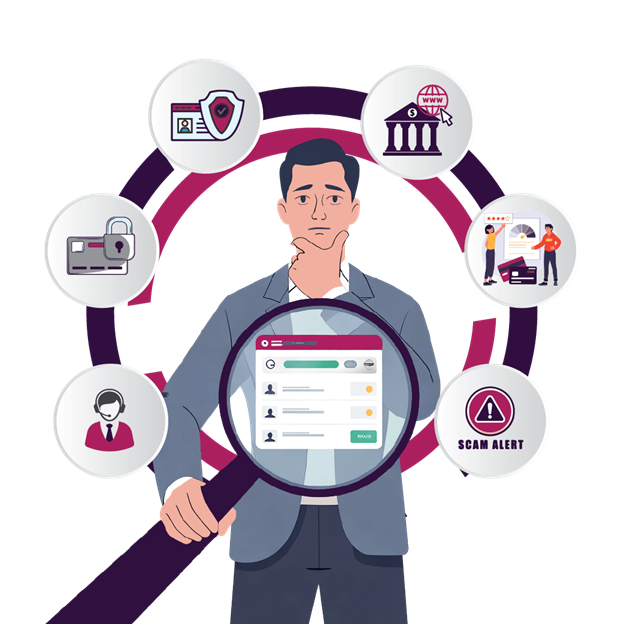
Selecting the incorrect payment source might be more detrimental to high-risk firms than losing clients. Best Payment processors are essential to the sustainability of businesses in sectors including forex, gaming, gambling, cryptocurrency, IPTV, and adult services.
In 2026, high-risk merchant must confirm the legitimacy of a payment provider before entering into any transaction due to regulatory pressure, fraud concerns, and abrupt account terminations. This article illustrates how high-risk companies may pick reliable payment partners with confidence and safeguard themselves.
Why Payment Risks Are Greater for High-Risk Companies
Certain sectors are categorized as high-risk by banks and processors for reasons like:
- Increased rates of chargebacks
- Transnational transactions
- Regulatory examination
- Recurring payments and subscription billing
- Enhanced vulnerability to fraud
Because of this, a lot of conventional processors either allow accounts that subsequently experience fund holds, rolling reserves, or abrupt shutdowns, or they refuse applications. It's critical to confirm a provider's credibility up front.
1. Examine the Provider's History and Performance
A reputable payment provider needs to be well-known and have a transparent track record of operations.
Prior to registering, make sure:
- Registration and jurisdiction of companies
- Years of experience handling high-risk payments
- Collaborations with acquiring banks
- Public records about risk policies and services
Red flags are frequently raised by providers that make unrealistic approval claims or provide ambiguous information.
2. Make Use of Independent Fintech Reviews and Ratings
Consulting independent fintech rating platforms is one of the best ways to confirm validity.
Payment providers are evaluated by international fintech review organizations on the basis of merchant feedback, risk exposure, transparency, and compliance procedures. These platforms assist high-risk companies in distinguishing between short-term or unreliable processors and regulated suppliers.
The danger of onboarding with a provider who could subsequently freeze cash or abruptly cancel accounts is decreased by depending on independent ratings.
3. Verify Regulatory Readiness and Compliance
Compliance for processing high-risk payments is non-negotiable in 2026. A reputable supplier need to completely endorse:
- Compliance with PCI DSS
- KYC (Know Your Customer) protocols
- Anti-Money Laundering (AML) laws
- Industry-specific licensing specifications
A processor frequently suggests future danger rather than convenience if they steer clear of compliance conversations or make "no checks" guarantees.
4. Assess Chargeback Controls and Fraud Prevention
Businesses that pose a high risk are often the target of fraud. A trustworthy supplier needs to provide integrated security, such as:
- Monitoring fraud in real time
- Chargeback notifications and dispute resolution
- Transaction filtering and velocity rules
- High-level risk assessment
Merchants may be subject to large dispute rates, which might result in fines or account closure, if providers lack robust fraud measures.
5. Carefully go over the terms of the contract and the settlement procedures.
Unfavorable contract conditions generate issues for many high-risk businesses rather than fraud.
Always go over:
- Requirements for rolling reserves
- Payout delays and settlement cycles
- Termination provisions
- Volume restrictions and risk thresholds
Rather than concealing these clauses in tiny text, reputable suppliers make them explicit up front.
6. Evaluate Experience Particular to the Industry
High-risk business concepts are not understood by all payment providers. A reputable supplier should have demonstrated expertise in your sector, such as:
- CFD and forex trading
- Online gambling and gaming
- Exchanges for cryptocurrency
- Digital subscriptions and IPTV
Smoother onboarding, higher clearance rates, and less interruptions related to compliance are guaranteed by industry knowledge.
7. Steer clear of "Too Good to Be True" deals
High-risk retailers should be wary of suppliers who offer:
- Quick approvals without any verification
- Fees for high-risk verticals are quite low.
- No reserves and limitless processing
These deals frequently result in short-lived accounts, frozen funds, or subsequent forced migrations.
How WebPays Assists High-Risk Companies in Making Safe Decisions
WebPays prioritizes the following in order to specialize in payment solutions for high-risk industries:
- Open and honest onboarding procedures
- Strong banking connections
- Advanced chargeback and fraud management
- Payment infrastructure that is ready for compliance
- Acceptance of payments worldwide
WebPays enables retailers to grow safely and sustainably by emphasizing long-term stability above quick approvals.
Conclusion
Verifying a payment source before registering is crucial for high-risk organizations. In order to lower operational risk, independent fintech ratings, contract evaluations, compliance checks, and industry experience are all essential.