Navigating Fraud and Risk in Online Gaming Payments
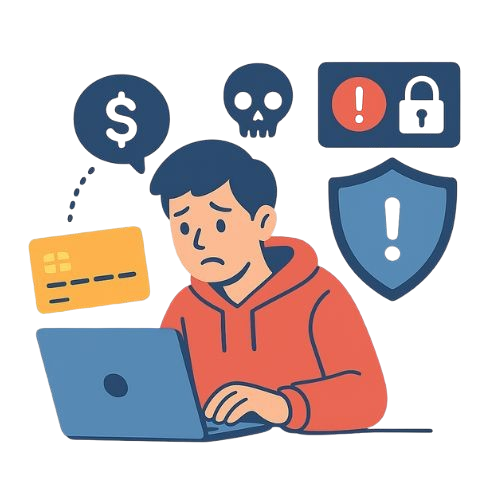
The online gaming industry has grown rapidly, attracting millions of players worldwide. With this growth comes a significant increase in financial transactions, creating opportunities for fraud and heightened risk for merchants. Understanding the challenges and adopting effective strategies is essential for maintaining secure payment systems and protecting both players and businesses.
Understanding Fraud in Online Gaming Payments
Online gaming platforms face various types of fraud, ranging from account takeovers to payment chargebacks. Fraudsters exploit weaknesses in payment processes to make unauthorized purchases or manipulate in-game economies. These fraudulent activities not only cause financial losses but also damage the trust and reputation of gaming platforms.
A key factor contributing to fraud risk is the high volume and variety of transactions. Players use multiple payment methods, including credit cards, e-wallets, and cryptocurrencies, which can complicate monitoring and verification processes. Without proper controls, these transactions can be vulnerable to misuse.
High-Risk Merchant Considerations
Online gaming is classified as a high-risk industry due to the potential for chargebacks and regulatory scrutiny. Merchants operating in this sector need specialized solutions to handle the unique challenges. Using a high-risk merchant account designed for gaming platforms can help manage payment processing more effectively while minimizing exposure to fraud.
High-risk merchant accounts often provide advanced monitoring tools, fraud detection systems, and flexible payment services. These solutions allow businesses to maintain smooth operations while complying with the complex financial regulations that apply to gaming and gambling transactions.
Regulatory Challenges in Online Gaming Payments
Compliance is another critical aspect of managing risk in online gaming payments. Regulatory requirements differ by country and can include licensing, anti-money laundering (AML) measures, and responsible gaming policies. Failing to comply with these regulations can result in fines, account closures, or even legal action.
Understanding regulatory challenges for high-risk industries helps gaming operators anticipate potential issues. Staying informed about regional laws and working with payment providers that offer compliance support ensures that transactions are secure and within legal frameworks.
Choosing the Right Payment Gateway
Selecting an appropriate payment gateway is vital for reducing fraud and managing risks. A reliable gambling payment gateway can process payments quickly while implementing security measures such as two-factor authentication, encryption, and real-time monitoring.
Additionally, integrating an online gambling payment processing solution ensures that the platform can accept multiple payment methods while identifying suspicious activity early. Payment gateways that specialize in gaming or gambling understand the unique challenges and offer tools to minimize fraud-related losses.
Best Practices to Minimize Risk
- Implement Strong Verification Methods: Require robust identity verification during registration and transactions to prevent fraudulent accounts.
- Monitor Transactions in Real Time: Continuously track unusual payment patterns and flag suspicious activity.
- Educate Players on Security: Encourage users to maintain strong passwords and enable additional authentication methods.
- Use Specialized Merchant Accounts: Partner with providers who understand high-risk industries and offer tailored solutions.
- Stay Updated on Compliance: Regularly review changes in regulations to maintain legal and operational standards.
These practices can significantly reduce the likelihood of fraud while improving overall transaction security.
Conclusion
Fraud and risk management in online gaming payments is a continuous challenge that requires vigilance and specialized solutions. By leveraging high-risk merchant accounts, selecting the right payment gateways, and adhering to regulatory requirements, gaming operators can protect their revenue and maintain player trust. Implementing strong monitoring systems and security protocols is essential for sustaining long-term growth in the highly competitive online gaming market.